
October 22, 2026
Comparing Digital Lenses: Midtown, Costco & Warby Parker
A fair comparison of digital lens designs, fitting measurements, coatings, materials, and follow-up when choosing glasses in Santa Cruz.
Read more
Dry Eye
Thermal 1-Touch warming and gland expression are Midtown’s preferred in-office treatment for suitable meibomian gland dysfunction. Dry-eye evaluations in Santa Cruz.
Editorial update: October 22, 2026 · Midtown Optometry
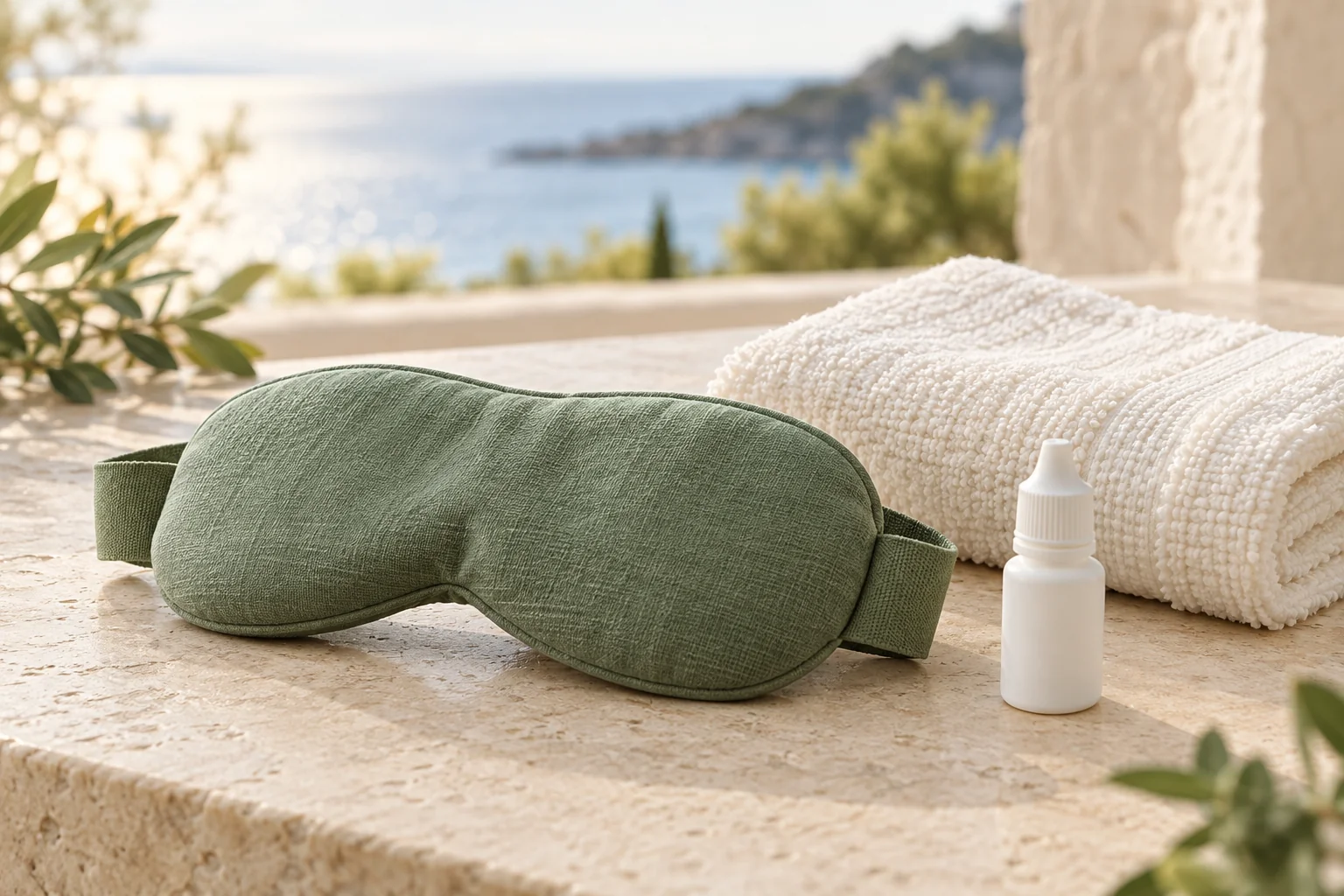
Dry eye care starts by finding out why the tear film is struggling. At Midtown Optometry in Santa Cruz, Thermal 1-Touch warming followed by gland expression is our preferred in-office treatment for appropriate cases of meibomian gland dysfunction. We welcome new patients seeking a dry-eye evaluation. We may combine this with punctal plugs for tear conservation and discuss omega-3 supplements as part of an individualized plan.
Burning, grittiness, fluctuating blur, and even watery eyes can occur when the tear film is unstable. Some people do not produce enough watery tears; others lose tears too quickly because the oil glands in the eyelids are not working well. Inflammation, medications, contact lenses, and the environment can also contribute. Symptoms alone cannot identify the cause.
We examine the lids, tear film, cornea, and gland secretions, and review your symptoms and daily routine. Sudden pain, significant redness, light sensitivity, or a change in vision needs an urgent eye assessment.
Thermal 1-Touch applies controlled warmth to the eyelids. Warming can soften thickened oil in the meibomian glands; your doctor then uses gentle, directed expression to help release blocked secretions. The goal is to improve the oil layer that helps slow tear evaporation.
We review your health history and the device’s precautions before treatment. The manufacturer lists contraindications including diabetes and poor circulation. Heat can cause burns, so correct fitting and supervised monitoring matter. Read the manufacturer’s procedure and safety instructions.
Warmth and expression are supported as treatment approaches in dry-eye guidance. Results from a heating-device study apply to that device and the studied protocol. Large randomized trial evidence specific to Thermal 1-Touch remains limited, so expectations for the degree and duration of relief are individualized. Results and retreatment needs vary. Manufacturer’s procedure information; TFOS DEWS III management report.
Watch the original video on YouTube
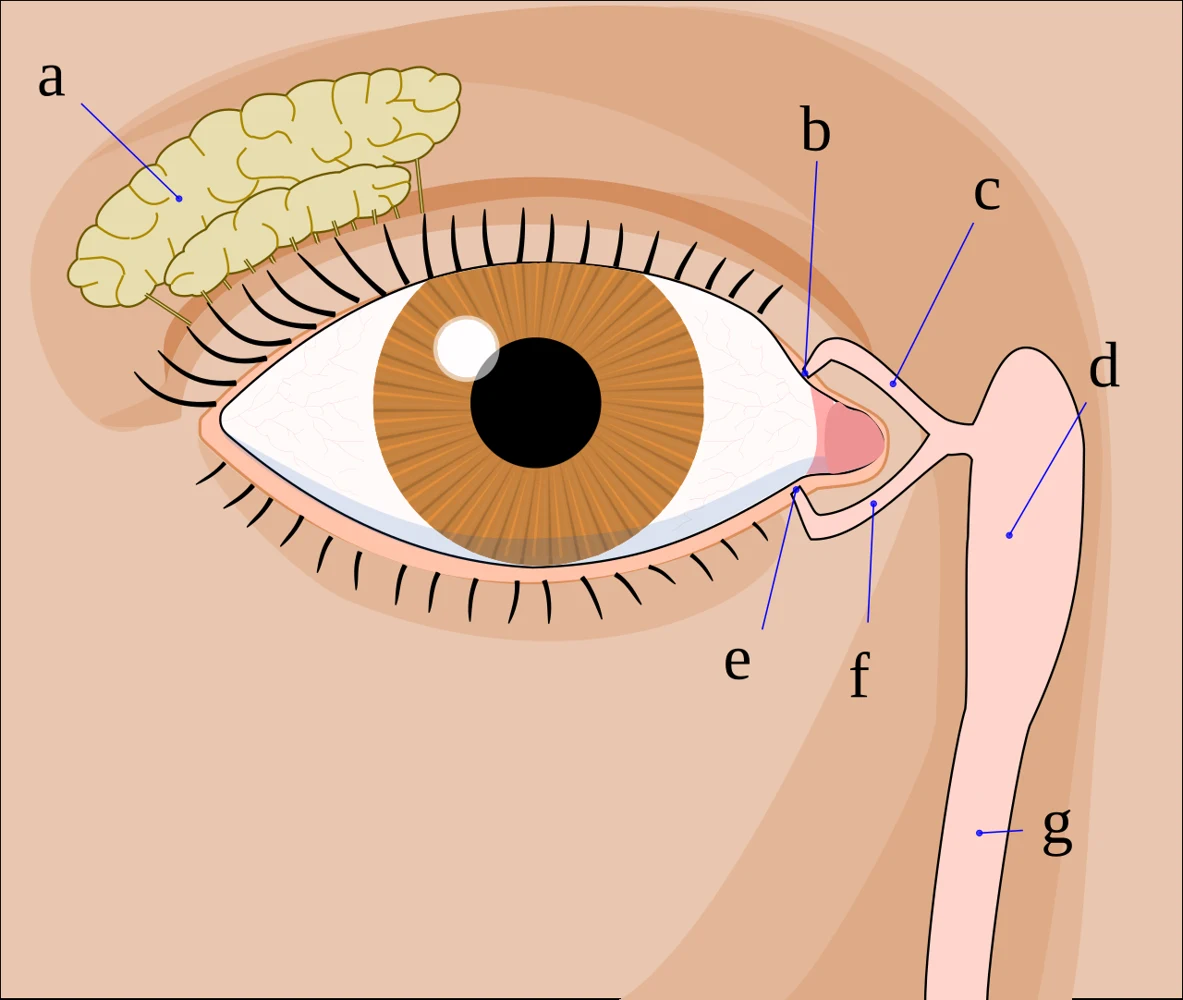
Tears normally drain through small openings called puncta near the inner eyelid corners. A punctal plug partially or fully blocks a drainage opening to conserve tears. We may use plugs alongside gland treatment when a patient has both tear deficiency and oil-gland dysfunction. Gland treatment addresses blocked oil glands; plugs conserve tears by reducing drainage.
We consider the type of dry eye and whether inflammation needs treatment first. Plugs may cause watering, irritation, loss of the plug, or, less commonly, infection. A Cochrane review found the trials too inconsistent and uncertain to establish a clear overall improvement in symptoms; individual patients may still benefit. Read the systematic review of punctal occlusion.
We may recommend omega-3 supplements for selected patients after discussing diet, medications, health history, and preferences. The evidence for symptom improvement is mixed, so recommendations are individualized.
The large DREAM randomized trial enrolled 535 people with moderate-to-severe dry eye. Over 12 months, 3 grams per day of fish-derived EPA/DHA did not improve symptoms or signs significantly more than an olive-oil placebo. The dose describes the study protocol; your clinician can advise on supplementation for your health history. Other studies and formulations have produced differing results. NIH’s DREAM summary; original New England Journal of Medicine paper.
Tell us about allergies, supplements, and medicines, especially blood-thinning medication, before starting a supplement. We discuss whether the potential benefit makes sense for you and review whether it is helping.

NIH Office of Dietary Supplements: omega-3 types, food sources, and evidence.
Depending on your findings, care may also include artificial tears, lid hygiene, blink and screen-break habits, changes to contact-lens wear, or prescription treatment for inflammation. Comfortable home warming, if recommended, is different from a supervised Thermal 1-Touch procedure. Avoid excessive heat and follow your clinician’s instructions.
PRACTICAL ANSWERS
Dry eye is often a long-term condition. A procedure may help, but ongoing care and reassessment are commonly needed. The degree and duration of relief vary, and follow-up helps us adjust your care.
Yes, when the examination shows that both gland treatment and tear conservation are appropriate. The examination guides the combination that fits each patient.
We discuss the mixed evidence and your health history to decide whether an individualized trial makes sense.
Midtown offers Thermal 1-Touch warming with meibomian gland expression and punctal plugs when the examination supports those treatments. Lubricating drops, eyelid care, prescription treatment, and contact-lens changes may also be part of the plan.
Warming and expression address obstructed meibomian glands in the eyelids. Punctal plugs reduce tear drainage. These treat different aspects of dry eye, so neither procedure is automatically suitable for every patient.
The DREAM randomized trial found similar outcomes with the tested omega-3 supplement and the olive-oil comparison. We discuss the mixed evidence, medicines, and health history before recommending an individual trial.
Thermal 1-Touch is our preferred in-office approach for suitable meibomian gland dysfunction. Dry eye has several causes. We first examine the glands and tear film and review health history and device precautions. Tear deficiency or inflammation may require different or additional treatment.
These educational resources support a conversation with your eye doctor. Your examination and medical history guide individual treatment decisions.
MIDTOWN OPTOMETRY · SANTA CRUZ