
October 22, 2026
Comparing Digital Lenses: Midtown, Costco & Warby Parker
A fair comparison of digital lens designs, fitting measurements, coatings, materials, and follow-up when choosing glasses in Santa Cruz.
Read more
MIDTOWN OPTOMETRY BLOG / October 22, 2026
Editorial update: October 22, 2026
An optometrist can be your starting point for glaucoma evaluation and ongoing care. An ophthalmologist adds laser and surgical expertise when needed. Midtown Optometry welcomes new glaucoma patients in Santa Cruz. We assess eye pressure, optic-nerve structure, and visual fields; manage appropriate cases; and coordinate referrals for selective laser trabeculoplasty (SLT) or surgery.
An OD is a Doctor of Optometry. An ophthalmologist is a medical physician with an MD or DO degree and training in eye care and surgery. An ophthalmologist’s degree is MD or DO; “OMD” is an informal label for the profession. Both professions provide eye examinations and medical eye care. The care you need, the clinician’s training, and their scope of practice determine the right team. The National Eye Institute explains how to choose an eye doctor.
At Midtown, our role includes evaluating glaucoma risk, monitoring appropriate glaucoma cases, prescribing medication within our scope, and explaining changes in your tests. We refer to an ophthalmologist for SLT, surgery, advanced or progressing disease, and other needs beyond our scope. Your referred ophthalmologist performs the laser procedure at their office.
The right care team depends on the stage and type of glaucoma. If your disease is complex or progressing, specialist involvement may be needed early. Meet our optometrists and read their education and clinical experience.
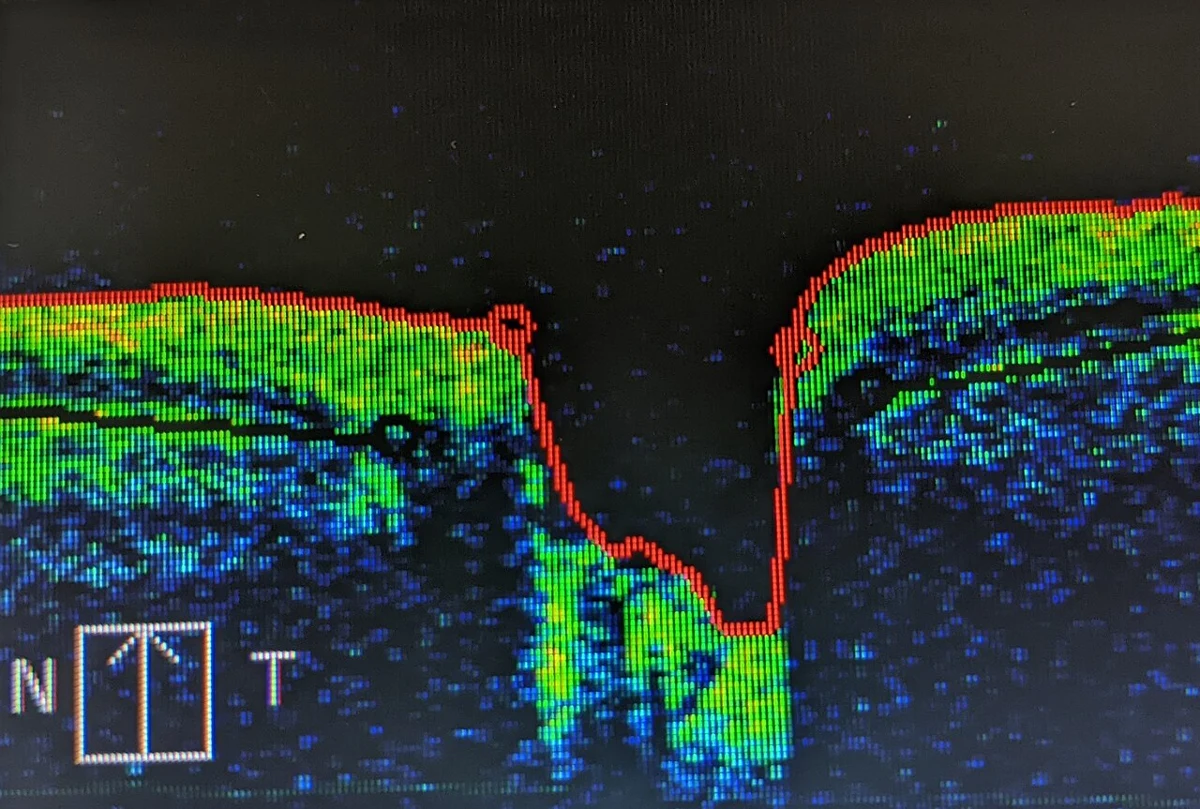
We interpret pressure measurements with the examination, drainage angle, relevant risk factors, and previous results. CIRRUS OCT measures optic-nerve and retinal structures; Radius VR visual fields measure visual function. These tests answer different questions. A single pressure number or scan cannot determine the whole treatment plan. Our glaucoma care guide explains the assessment in more detail.
For suitable open-angle glaucoma or ocular hypertension, SLT is an evidence-supported initial treatment option. It uses laser energy on the eye’s drainage tissue to help fluid leave the eye and lower pressure. It can reduce dependence on remembering and administering drops every day. That may be particularly useful when handling bottles, keeping a daily routine, or tolerating drops is difficult.
SLT can also be discussed later in care. The choice depends on the type of glaucoma, drainage angle, target pressure, previous treatment, and your preferences. The National Eye Institute’s laser-treatment guide describes the procedure and follow-up.
The LiGHT trial randomized 718 people with previously untreated open-angle glaucoma or ocular hypertension to an SLT-first or drops-first pathway. At three years, 74.2% of patients in the SLT-first group needed no pressure-lowering drops to maintain target pressure. That supports discussing SLT as an initial treatment option for suitable patients. Read the original 2019 Lancet randomized trial.
At six years, 69.8% of SLT-first eyes reaching that follow-up were at target pressure without glaucoma medication or trabeculectomy, a type of glaucoma surgery. Repeat SLT was allowed, and some eyes had cataract surgery. The result describes a treatment pathway that allowed repeat laser and other care. The three-year result counts patients; the six-year result counts eyes. Read the six-year study and its 2025 correction and updated tables.
Drops remain an important treatment option. They may be appropriate when SLT is unsuitable, when you prefer medication, or when laser alone does not lower pressure enough. Some patients need a combination of drops, laser, or surgery. Treatment must fit the eye and the target pressure; neither a preference for laser nor a preference for drops should delay necessary care. Keep using prescribed drops until your treating clinician tells you to change them.
SLT aims to protect remaining vision by lowering eye pressure. Existing glaucoma-related vision loss is permanent. Temporary inflammation, irritation, blurred vision, or a pressure rise can occur. Response varies and the effect may diminish over time. The ophthalmologist explains the risks for your eye and checks your pressure afterward. Ongoing monitoring is necessary even if you no longer need daily drops. SLT is not the appropriate laser for every glaucoma type.
For appropriate patients, we often recommend an SLT consultation with Dr. Mona Sane in Los Gatos. We coordinate the referral, confirm the office, and share relevant records. The ophthalmologist determines suitability and performs the procedure. Read our glaucoma-management page for the referral details and source links.
Bring your eye-drop names and doses, any previous OCT or visual-field reports, and your history of laser or eye surgery. With your permission, we can request earlier records. We accept VSP and Medicare; ask our team how benefits may apply to a medical glaucoma visit. Acceptance does not guarantee coverage of every service.
Request a glaucoma appointment
See our first-visit checklist and call or text our team. Sudden severe eye pain or sudden vision loss needs urgent assessment; do not wait for an online appointment request.
This article was published October 22, 2026. For advice about your own eyes, speak with your optometrist.
MIDTOWN OPTOMETRY · SANTA CRUZ