October 22, 2026
Comparing Digital Lenses: Midtown, Costco & Warby Parker
A fair comparison of digital lens designs, fitting measurements, coatings, materials, and follow-up when choosing glasses in Santa Cruz.
Read more
Daily Contact Lenses
Daily contact lenses in Santa Cruz: simpler care, evidence on serious infections, premium ACUVUE options, and contact-lens recycling at Midtown.
Editorial update: October 22, 2026 · Midtown Optometry
A fresh pair for each day of wear simplifies contact-lens care. Midtown Optometry strongly recommends daily disposables for suitable patients. They remove the need to store and disinfect a worn soft lens, and research supports advantages for some serious infections. We select the lens around your prescription, eye surface, comfort, and ability to handle it safely.
of Midtown’s contact-lens patients now wear daily disposables, according to the practice’s October 2026 estimate. This describes our prescribing experience; it is separate from the clinical research below.
In a case-control study, poor case hygiene and infrequent case replacement were associated with moderate or severe keratitis among daily-wear lens users. Eliminating the storage step addresses that particular exposure. Read the original storage-case risk study.
The clearest answer depends on the infection being measured. Dailies offer advantages for Acanthamoeba keratitis and the severity of some contact-lens infections. Overall microbial-keratitis incidence has not consistently been lower in studies. Safe wear remains essential with every lens.
| Study | Finding | How to interpret it |
|---|---|---|
| Carnt and colleagues, published 2023 | Among 83 Acanthamoeba cases and 122 controls, reusable soft-lens wear was associated with 3.84 times the adjusted odds of infection compared with daily disposables (95% CI 1.75–8.43). | An observational case-control study of a specific rare infection, not a 3.84-fold estimate for all infections. Read the study. |
| Sund and colleagues, published 2025 | Hospitalization-defined severe keratitis occurred at estimated annual rates of 0.52 per 10,000 daily-disposable users and 2.52 per 10,000 users of extended-wear lenses worn overnight. | The comparison changes both replacement type and overnight-wear behavior; it cannot isolate the effect of disposal alone. Read the study. |
| Dart and colleagues, 2008 | Daily disposables did not lower the overall infection risk in this case-control study, while vision loss was less likely than with planned-replacement soft lenses. | Lens types, brands, behavior, and study era matter. This finding helps keep the recommendation in proportion. Read the study. |
A separate multisite study of daily-disposable wearers identified overnight wear and poor hand hygiene as risk factors, and found a pattern of organisms consistent with less severe disease. Read Stapleton and colleagues’ 2017 study.
Wash and dry your hands before handling lenses. Wear each daily lens once, remove it before sleeping, and keep lenses away from shower, swimming, surfing, and hot-tub water. A daily lens still needs a proper fitting and follow-up. Pain, redness, light sensitivity, or blurred vision warrants lens removal and prompt eye-care advice. CDC’s safe-wear guidance · Contact Midtown about an urgent eye concern.
Our contact-lens catalog starts with ACUVUE OASYS MAX 1-Day products and includes options for distance vision, astigmatism, and presbyopia. The best choice depends on your prescription and trial-lens response. Explore the daily-lens catalog and fitting services.
For children who meet treatment criteria, MiSight 1 day combines daily disposal with a design studied for myopia control. Standard daily single-vision lenses and MiSight have different treatment purposes.
A FRESH PAIR. A PLACE TO RECYCLE.
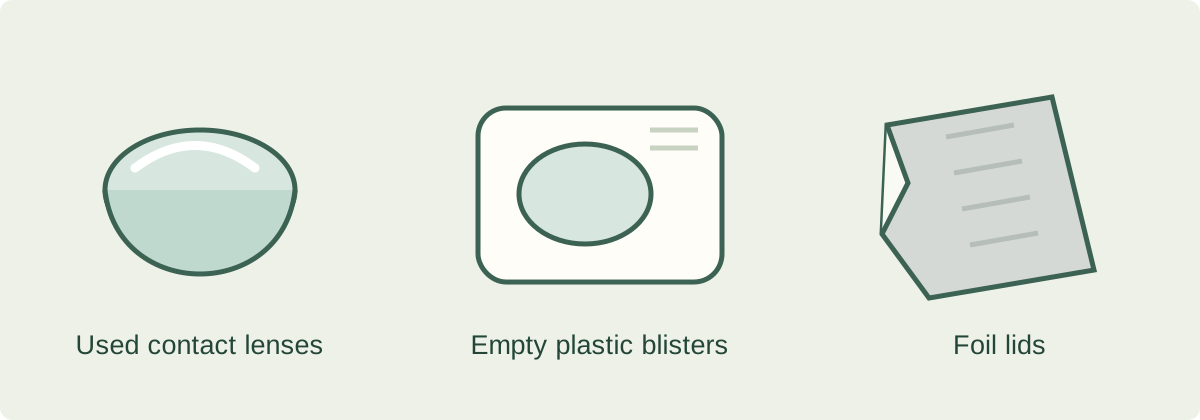
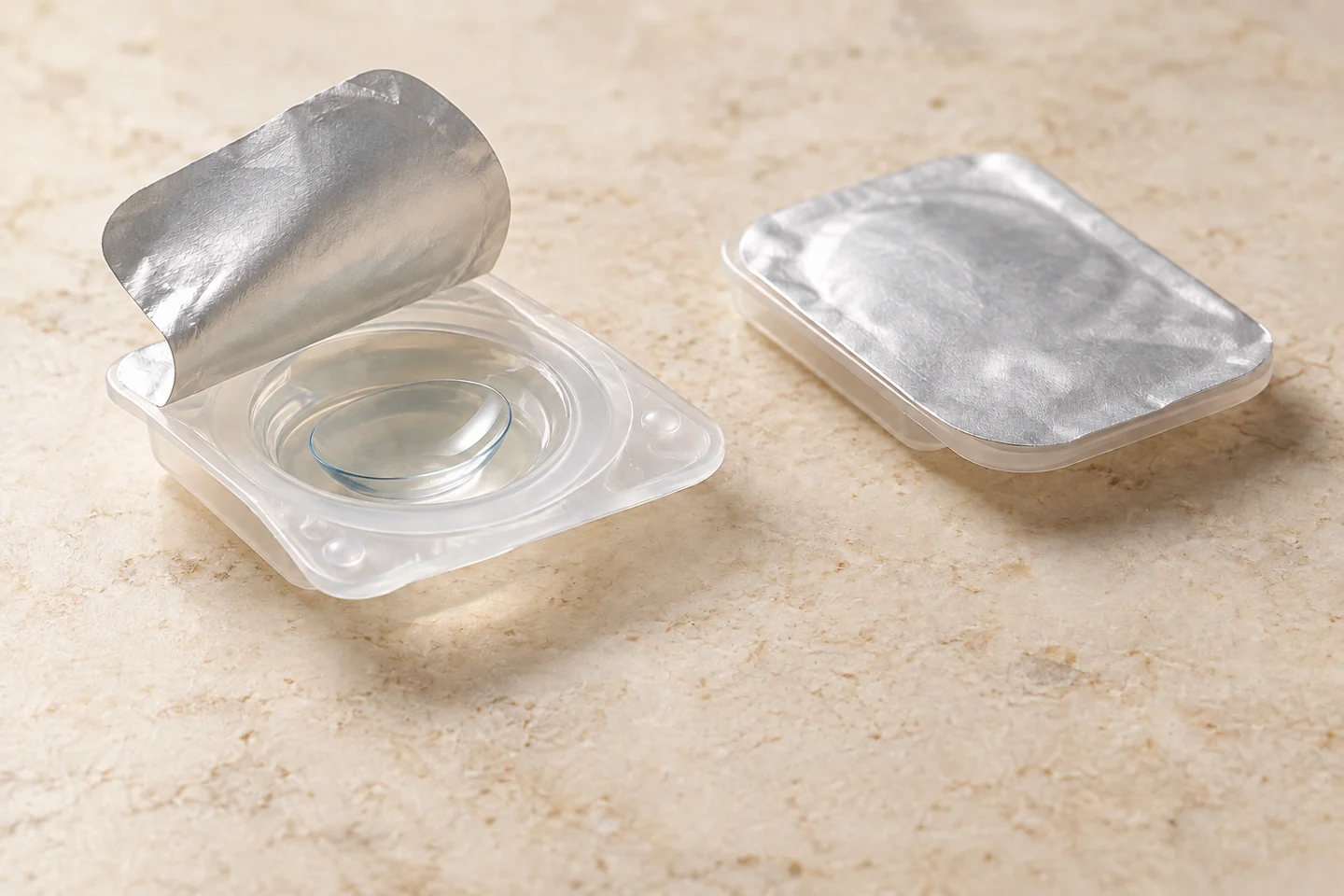
Midtown participates in the Bausch + Lomb ONE by ONE recycling program through TerraCycle. Save your used contacts and accepted packaging for our collection. Every brand of contact lens is welcome.
Dailies are our preferred starting point for many soft-lens patients. Prescription availability, ocular-surface health, handling, and cost can make another option appropriate. We explain the choices and assess the fit with you. Book a contact-lens evaluation.
PRACTICAL ANSWERS
They provide a fresh lens each wearing day and remove the storage and disinfection steps for reusable soft lenses. Research supports advantages for some serious infections. We select a suitable daily lens using your prescription, eye health, fit, and comfort.
Every contact lens carries some infection risk. Research supports lower odds of Acanthamoeba infection and advantages for severe disease with dailies, while overall microbial-keratitis rates have not consistently been lower. Hand hygiene and avoiding overnight wear and water remain essential.
The practice estimates that 85% of its contact-lens patients wear daily disposables as of October 2026. This estimate describes Midtown’s prescribing experience.
Yes. Bring your collection of used contacts and accepted packaging to Midtown. Our recycling guide lists the materials and preparation requirements.
Contact-lens recycling at Midtown →These educational resources support a conversation with your eye doctor. Your examination and medical history guide individual treatment decisions.
MIDTOWN OPTOMETRY · SANTA CRUZ